Road Trip Essentials for a Memorable Adventure
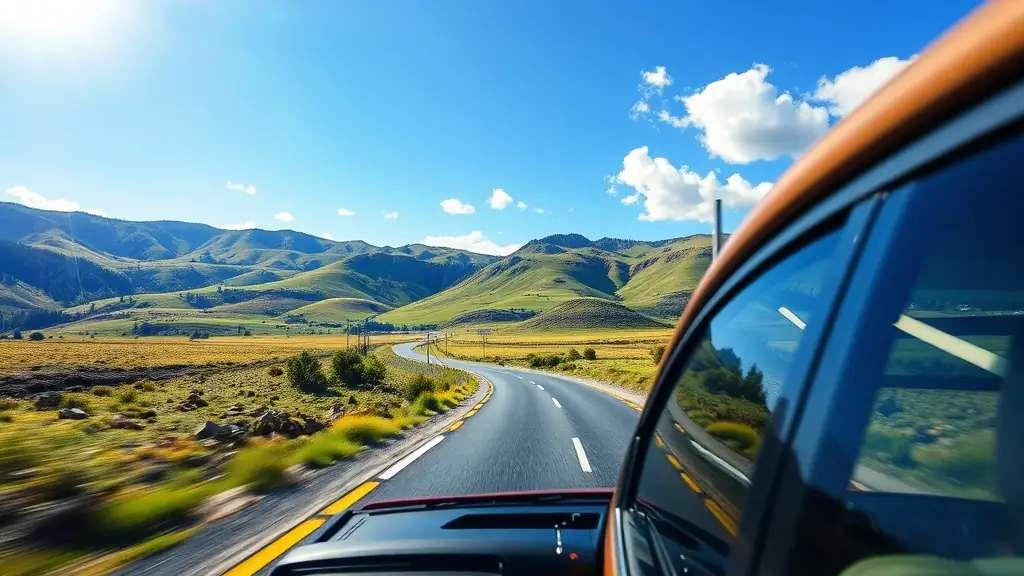
Road trips offer a unique opportunity to explore new destinations and create lasting memories. Often, packing involves hastily tossing whatever might be needed into the trunk and hoping for the best. But road trip preparation should be treated as a highly strategic, route-specific logistics exercise.
While a well-stocked car remains key to a successful journey, simply throwing in traditional navigation tools, paper maps, and a reliable GPS device is no longer enough. Modern travel requires a shift from haphazard packing to a modular strategy that directly addresses the environment you are entering.
Packing essentials is crucial for a comfortable and safe journey, but those essentials change dramatically depending on the terrain outside your windshield. Consider the length of your trip and the weather conditions you might encounter, especially in regions with varying microclimates.
Belgium serves as a practical setting for this approach. By treating your packing list as a dynamic blueprint, you can seamlessly transition from the wide coastal expanses of the North Sea to the dense, elevated forests of the southeast. A strategically packed vehicle reduces stress, allowing you to prioritize safety and plan for spontaneous stops along the way.
What Are the Key Takeaways for Road Trip Preparation?
Essential Strategies for Road Trip Preparation
Before loading the vehicle, keep these core principles in mind to ensure a smooth, adaptable journey:
- Digitize your logistics: Utilize modern applications to customize gear lists based on specific destination requirements, removing the guesswork from preparation.
- Prioritize pedal safety: Proper driving footwear is a non-negotiable safety requirement, far outweighing casual comfort when operating a vehicle.
- Implement the modular matrix: Categorize packing by function—driver command, passenger autonomy, and environmental resilience—rather than simply grouping items by type.
- Empower younger passengers: Giving children responsibility for their own curated daypacks significantly reduces parental mental load.
- Adapt to the route: Shift your gear seamlessly between distinct environments, from maritime coastal drives to rugged, forested nature circuits.
What Is the Foundation of Driver Safety and Command Center Logistics?
The driver’s seat is the operational heart of any road trip. Preparation here must shift away from general luggage and focus squarely on vehicle operation and command center logistics.
The first step in establishing this command center is eliminating analog guesswork. Use packing apps like PackPoint or Packing List Checklist to create and manage your personal packing list.
The Modular Packing Matrix
To optimize vehicle space and accessibility, organize your gear using a structured framework.
The Modular Packing Matrix categorizes items by their immediate function rather than their physical type. This ensures that critical tools are never buried under heavy luggage:
- Driver Command: Items essential for vehicle operation, navigation, and pilot safety. This includes digital devices, specialized footwear, and accessible hydration.
- Passenger Autonomy: Gear that allows non-driving occupants to manage their own comfort, entertainment, and snacks without distracting the driver.
- Environmental Resilience: Quick-access tools designed to counter external factors, from sudden weather shifts to poorly equipped rest stops.
Footwear and Electronic Necessities
Driver command requires strict adherence to physical safety protocols. While driving, wear sneakers or other shoes that are secure on your feet.
Flip flops, slippers, or footwear without an attached heel could slip off and cause your foot to slide from the pedals. The mechanical risk of a loose sandal wedging near the pedals is a severe hazard that compromises the safety of the entire vehicle.
Furthermore, a modern vehicle command center relies heavily on sustained power. Navigation, audio entertainment, and emergency communication all drain battery life rapidly during long drives. Bring cables and chargers for all devices and verify whether your car needs an adapter to plug them in. Ensuring seamless connectivity keeps the driver focused on the road.
What Are the Essentials for Environmental Resilience?
Even with meticulous digital planning, the realities of the road require pragmatic, analog solutions. Environmental resilience means preparing for the unpredictable gaps in modern infrastructure. While a first-aid kit and emergency supplies are vital for unexpected medical or mechanical situations, daily comforts require equal attention.
Preparing for Infrastructure Gaps
One of the most practical additions to your environmental resilience kit addresses a universal road trip annoyance. Bring a roll of toilet paper in a waterproof bag, as many roadside rest stops lack it.
A simple resealable bag protects this essential item from accidental spills in the trunk or damp conditions at outdoor facilities, ensuring comfort during remote stretches of the drive.
The Analog Culinary Kit
Similarly, digital apps cannot open a local beverage discovered at a roadside farm stand. Include a corkscrew bottle opener for enjoying beverages once out of the car, and consider bringing a can opener.
These small, analog tools take up minimal space but are crucial for spontaneous picnics. They allow you to transform a basic rest stop into an opportunity to enjoy regional specialties without relying on convenience store packaging.
Adaptive Layering Strategies
Clothing choices must also reflect this resilient mindset. Choose comfortable, washable clothing for whatever weather you expect, including layers to accommodate changing temperatures.
Travel author Carolyn B. Heller advises taking a highly functional approach: ‘Decide what kind of clothing and gear you need based on the activities you’ll be doing. It’s always smart to choose clothes that are comfortable and easy to wash and to add layers that let you adapt to varying weather conditions.’
Prioritizing performance fabrics over delicate fashion pieces ensures that accidental coffee spills or muddy excursions do not derail your travel wardrobe.
How Can Passenger Autonomy Transform Family Travel?
Family road trips are notoriously taxing on the driver and front-seat navigator, who often bear the brunt of managing passenger demands. The constant requests for snacks, drinks, and entertainment for the journey can quickly disrupt focus. Shifting the paradigm toward passenger autonomy drastically improves the cabin dynamic.
Delegating the Packing Process
The key to fostering this autonomy begins long before the engine starts. Parents can make simple packing lists for children from toddler age, giving them a small daypack with snacks, books, and a favorite stuffed animal. By transferring this specific responsibility, children gain a sense of ownership over their travel experience.
Managing the Daypack
To implement this effectively, treat the child’s daypack as their personal domain:
- Inventory control: Let them pack books or magazines for downtime, ensuring they have materials they actually want to read.
- Snack rationing: Provide pre-portioned containers that they can open and consume independently, reducing the need to pass items over the seats.
- Comfort items: A dedicated space for a favorite stuffed animal provides emotional grounding during long stretches of unfamiliar highway.
This simple modular strategy reduces the parental mental load. When a toddler has direct access to their own curated resources, they are less likely to experience the boredom and frustration that lead to cabin fever. Ultimately, this allows the adults in the vehicle to focus on safe driving and enjoying the changing scenery, transforming the trip from an exercise in endurance into a shared adventure.
How Should You Optimize Gear for the Belgian Coastal Drive?
Applying the modular packing strategy to specific terrains is where the preparation truly pays off. For a road trip in Belgium, start in Ostend, a lively coastal town with wide sandy beach and fresh fish from the harbor. This maritime environment dictates a specific utilization of your gear.
Coastal Gear Deployment
The wide sandy beach of Ostend calls for the immediate deployment of your environmental resilience kit. While your secure driving sneakers stay in the vehicle’s command center, coastal walking requires easily washable layers.
The brisk North Sea winds can drop temperatures rapidly, making those adaptable clothing choices critical for enjoying fresh fish at the harbor without shivering.
Transitioning to Urban Cobblestones
Moving inland from the coast, the terrain shifts dramatically as you approach historic urban centers. Bruges is a UNESCO jewel perfect for an overnight stay, with canals and a picturesque city center. The transition from Ostend to Bruges requires swapping beach-ready outerwear for comfortable, supportive walking shoes capable of handling miles of walking.
Your daypacks become highly relevant here. Instead of lugging a heavy suitcase through narrow historic streets, modular daypacks allow you to easily carry cameras, water bottles, and analog tools. Whether you are navigating the intricate canals or stopping for a spontaneous picnic in a city park, this tailored gear setup ensures you remain agile and unencumbered by unnecessary bulk.
How Do You Equip a Vehicle for the Ardennes Nature Circuit?
Leaving the flat, maritime coastal region behind, the southern landscape demands a completely different approach. The Ardennes in southeastern Belgium are perfect for nature lovers, featuring forests, castles, hiking, and regional cuisine. Navigating this elevated, densely wooded terrain tests the limits of your environmental resilience packing.
Shifting the Modular Matrix
While the coastal drive required windbreakers and urban walking shoes, the Ardennes micro-climate necessitates rugged adaptation. The washable layers packed earlier must now serve as defense against damp forest trails and sudden rain showers common in the region’s deep valleys.
Furthermore, the analog tools packed in your resilience kit find their true purpose here. Dining in the Ardennes often means purchasing regional cuisine from rural villages to enjoy deep in the forest. That corkscrew bottle opener and can opener are no longer just backup items; they are essential for accessing your provisions after a long hike.
Similarly, the roll of toilet paper in a waterproof bag becomes indispensable, as facilities near remote castle ruins and hiking trailheads are frequently unserviced or exposed to the elements.
Adapting the Command Center
Driving through the Ardennes also requires heightened pilot focus. The winding, steep roads demand the utmost pedal control, reinforcing the absolute necessity of secure driving shoes over casual footwear. By realigning your pre-packed modular kits to match the ruggedness of the forest, the transition from coastal cruising to alpine-style exploration becomes seamless and safe.
Frequently Asked Questions (FAQ): How Do You Master Road Trip Prep?
What should I pack for optimal safety and driving comfort?
Safety and comfort start in the driver’s seat. Always wear secure driving sneakers—avoiding flip flops or slippers that can slide off pedals. Additionally, maintain a command center equipped with cables, chargers, and necessary car adapters to keep navigation and communication devices powered. A well-stocked first-aid kit is also essential for unexpected roadside emergencies.
What are the best routes to experience Belgium’s diverse landscapes?
A comprehensive Belgian road trip should contrast the coast with the forests. Begin in Ostend to experience the wide sandy beaches and harbor life, then transition to Bruges for its historic UNESCO canals. Finally, drive southeast to the Ardennes to explore dense forests, medieval castles, and rugged hiking trails.
How can I involve children in the packing process?
Promote passenger autonomy by making simple packing lists for children, even toddlers. Provide them with a small, personal daypack and allow them to pack their own snacks, books, and a favorite stuffed animal. This strategy reduces in-car demands, keeps them entertained, and lowers overall parental stress during long drives.
Conclusion: How Do You Plan an Intentional Itinerary?
Ultimately, elevating your road trip from a basic drive to a meticulously planned adventure requires strategic anticipation. By utilizing digital applications, enforcing strict safety protocols in the driver’s seat, and empowering passengers with their own gear, you eliminate the friction that often plagues long journeys.
Whether you are navigating the breezy, historic coastlines of Ostend and Bruges or tackling the forested, winding routes of the Ardennes, a modular packing strategy ensures you are always equipped for the specific terrain ahead. Pack with intention, adapt to your environment, and enjoy the journey.