Electric Motorcycles in Belgium 2026: The Shift From Range Anxiety to Maintenance Reality
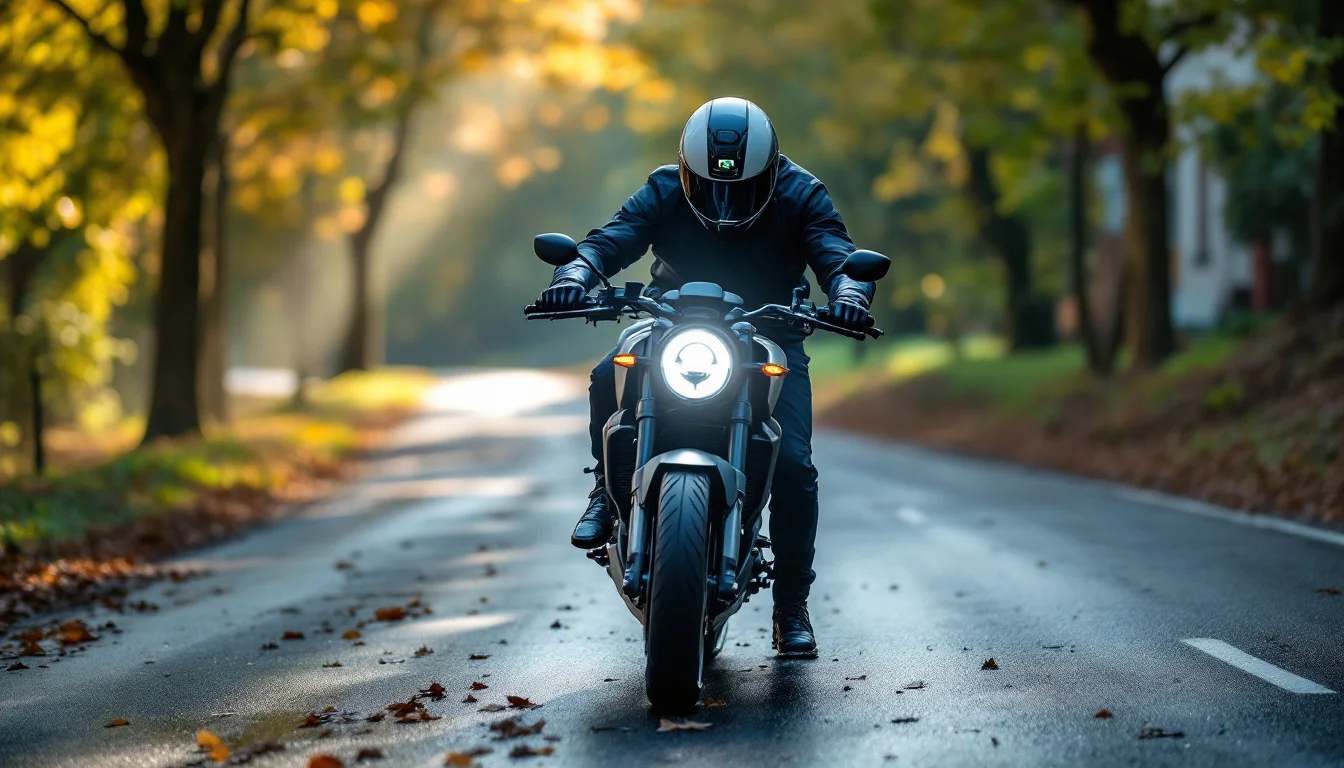
The electric two-wheeler landscape in Belgium and the Netherlands continues to evolve. Future Mobility and Electric Motorbikes now officially handle the sales, service, and support for Energica in the Belgian market. According to 2026 reporting from THE PACK, this strategic move extends an existing partnership that already successfully covers both Belgium and the Netherlands. For local riders, this official presence signals that heavy-duty electric motorcycles are no longer just niche imports but fully supported options.
However, this milestone brings a new set of realities for the local riding community. The technology has fundamentally evolved. Manufacturers have successfully engineered massive battery capacities that reduce traditional range limitations for touring enthusiasts. Yet, this achievement introduces a structural trade-off. As electric motorcycles scale up to match combustion engine capabilities, they forfeit mechanical simplicity. The central tension is no longer about how far a rider can travel on a single charge, but rather what happens when a highly complex, high-voltage machine requires maintenance on the road.
Key Takeaways
- Official support expands: Future Mobility and Electric Motorbikes manage Energica's sales and service operations across Belgium and the Netherlands.
- Touring range solved: The flagship Energica Experia utilises a massive 22.5 kWh battery, substantially reducing traditional range limitations.
- The maintenance bottleneck: Roadside mechanical fixes for electric systems are not straightforward; they have been replaced by a heavy reliance on certified technicians and specialised diagnostic infrastructure for high-voltage systems.
- The commuter alternative: Many riders favour 45 km/h speed pedelecs for daily use, trading heavy-duty performance—such as the Experia's substantial peak horsepower, high torque, and rapid acceleration—for simpler logistics and manageable component weights.
How Are Modern Electric Motorcycles Defeating Range Anxiety?
The modern touring motorcycle has successfully adopted electric propulsion. Leading this technical shift is the Energica Experia, a model designed specifically to handle cross-border travel. To achieve this, engineers have fundamentally redesigned the power storage architecture.
Pushing Battery Boundaries
The physical core of this touring capability is raw energy storage. The Energica Experia features a 22.5 kWh battery. According to 2026 reporting from THE PACK, this component is described as the largest battery equipped on any production electric motorcycle currently available. This immense capacity serves a singular purpose: keeping the rider moving for extended periods.
Real-World Riding Metrics
With such a large power reserve, the practical limits of electric travel have expanded significantly. Energica officially quotes a real-world touring range of 150 to 200 miles—roughly equivalent to 240 to 320 kilometres—for the Experia. This estimated distance fluctuates based on individual riding style, but it firmly places the motorcycle in a highly capable operational category.
Rapid Replenishment
A large battery requires a charging system capable of handling high energy flows to remain practical on long journeys. The Energica Experia addresses this with DC fast charging infrastructure integration. Using a compatible fast charger, the motorcycle's battery can be replenished from 0 to 80% in around 40 minutes according to manufacturer specifications as cited by THE PACK. This charging window aligns with natural touring breaks, allowing riders to grab a meal or stretch while the machine prepares for the next leg. Range anxiety has been substantially reduced for flagship models.
Can You Fix an Electric Motorcycle on the Road?
While the achievement of a 320-kilometre range represents a triumph in chemical engineering, it introduces a profound shift in the ownership experience. The modern high-voltage motorcycle demands a centralised, highly specialised support network, fundamentally altering how riders approach mechanical failures on a journey.
The End of the Roadside Fix
For decades, long-distance touring culture was built on mechanical self-reliance. A rider with a basic tool roll could patch a line or adjust a component on older bikes. Today, electric motorcycles require certified technicians equipped with proprietary diagnostic equipment. The internal systems operate at high voltages. As a result, the roadside fixes that were sometimes possible on simpler combustion-engine bikes are generally not a practical option for an electric equivalent.
The Case Study: Marc Travels
The reality of this high-voltage dependence was vividly demonstrated by experienced rider Marc Travels. During his Africa expedition, as reported by THE PACK, his journey faced severe logistical hurdles before even leaving Europe. The rider initially hit front suspension problems while navigating the Netherlands. The situation escalated when he crossed the border. Ultimately, he had to have the entire battery of his Energica Experia replaced in Belgium, a massive logistical undertaking that required direct support from the Energica Motor Company itself.
The 100-Kilogram Problem
The Belgian repair incident highlights the extreme physical demands of servicing flagship electric motorcycles. The high-voltage battery pack swapped during this procedure weighed around 100 kg, as described by Marc Travels himself. A component of this weight cannot be manipulated by a single rider in a parking lot. It requires specialised lifting equipment, rigorous safety protocols, and a workshop environment.
A mechanical failure means a mandated visit to a certified service centre, fundamentally altering the logistical concerns for cross-country electric travel.
The Local Alternative: Why Speed Pedelecs Dominates the Daily Commute
For daily commuting, a growing segment of riders operates within the Two-Wheel EV Choice Matrix. This framework contrasts the heavy-duty touring requirement against the high-end commuter requirement optimised for local agility and lower logistical risk.
The Two-Wheel EV Choice Matrix
| Feature | Heavy-Duty Touring (e.g., Energica Experia) | High-Speed Commuter (Speed Pedelec) |
|---|---|---|
| Performance | High peak horsepower and torque, top speed 180 km/h | Top speed 45 km/h |
| Battery Capacity | 22.5 kWh | Up to 1600 Wh |
| Logistics/Weight | ~100 kg battery, requires certified workshop | Removable by hand, office charging |
| Use Case | Cross-border travel, heavy-duty touring | Regional travel, daily commute |
The High-Speed Commuter Spec
Within this matrix, the speed pedelec emerges as the pragmatic alternative for regional travel. In the speed pedelec category, brands such as Klever use a powerful, silent rear-wheel motor specifically designed for riding at speeds up to 45 km/h. To power this propulsion system, these bicycles offer battery capacities up to 1600 Wh, according to Cyclobility's 2026 market analysis.
This hardware configuration delivers the speed necessary for road commuting without the accompanying high-voltage vulnerabilities. The Experia's heavy-duty performance—which offers rapid acceleration and has a top speed limited to 180 km/h—is traded for simpler logistics. A 1600 Wh battery is easily removable by hand, can be carried into an office for charging, and completely bypasses the heavy infrastructure burden associated with electric motorcycles.
Technological Maturity
Despite their lighter footprint, these high-capacity pedelecs do not compromise on digital integration. Cyclobility's 2026 market analysis identifies the Bosch Smart System as becoming the standard across high-end e-bikes. This system features integrated navigation displays—specifically the Kiox 300 and Kiox 500 models—which effectively reduce the rider's dependence on a smartphone for routing and ride metrics.
Do Electric Motorcycles Use Belts or Chains?
The shift from internal combustion to high-torque electric propulsion forces a reevaluation of power delivery mechanisms. The fundamental maintenance tension between roadside repairability and workshop dependence extends directly to the drivetrain, affecting both electric motorcycles and high-speed pedelecs.
The Belt Drive Argument
For many electric two-wheelers, a belt drive is positioned as the premium choice. Cyclobility's 2026 reporting notes that a belt drive is low-maintenance and virtually silent in operation. According to that analysis, a belt can last significantly longer than a traditional chain. However, belts are harder to quick-fix on the side of the road if they snap, and they are entirely dependent on specific frame compatibility to be installed or replaced.
The Chain Drive Compromise
Conversely, traditional chains remain cheaper and easier to replace in a pinch, making them appealing to riders who prioritise self-reliance. Yet, the high, instantaneous torque of electric motors places significant strain on these components. Chains require regular lubrication and can wear out faster under high power loads.
FAQ: Touring and Practicality with Electric Motorcycles
How much luggage capacity does a flagship electric touring motorcycle offer? Modern electric touring bikes are designed to accommodate extensive travel gear without compromising the vehicle's balance. According to THE PACK's reporting on Energica's product specifications, the Experia Launch Edition offers substantial lockable luggage capacity. This space is distributed through hard side panniers and a dedicated top case, providing secure storage for multi-day journeys.
How are devices charged and stored while riding? Tech integration is a priority for electric touring models. According to THE PACK, the Experia features two USB ports located directly on the dash for easy access. Additionally, there are two more ports inside a waterproof, lockable storage compartment. This secure space is large enough to safely hold charging cables, essential riding gear, or travel accessories while navigating diverse weather conditions.
What happens if a high-voltage system fails on a trip? Unlike older combustion engines where basic roadside fixes might sometimes be possible, a failure in a high-voltage electric motorcycle system typically requires professional intervention. Electric motorcycles require certified technicians and diagnostic equipment, meaning you will likely need a tow to a certified service centre equipped with specialised diagnostic tools.
Conclusion: A Mature Market Demands Mature Infrastructure
The 2026 hardware landscape demonstrates that electric two-wheelers have made significant strides in overcoming the physical barriers of long-distance travel. Massive battery capacities and the Experia's DC fast-charge capability (0–80% in about 40 minutes, per manufacturer specifications cited by THE PACK) make multi-leg days workable. However, as the components grow denser and the voltage higher, the true evaluation for prospective riders is no longer merely the spec sheet of the machine, but their personal comfort level with a heavy dependence on a highly centralised, professional maintenance ecosystem.